💬 WhatsApp:+86 15053143002 ☎ Tel +86 15053143002 ✉ Email: alex@sdgpmetal.com

Steel vs. Aluminum: A Manufacturer’s Guide to Material Substitution

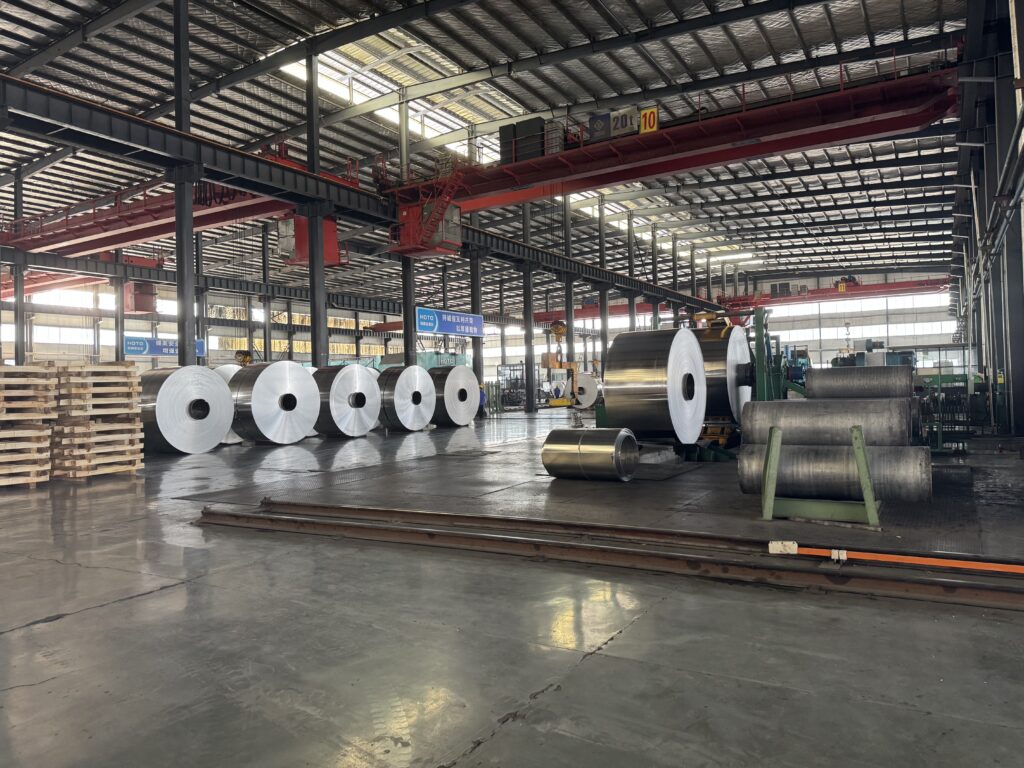
Summary: In modern industrial manufacturing, the debate over steel vs aluminum sheet and structural profiles is shifting toward aluminum. This technical guide breaks down the core differences between 6061 aluminum vs mild steel, outlining how replacing heavy carbon steel with 5000 and 6000 series aluminum delivers critical lightweight metal materials and natural rust resistance while maintaining long-term cost efficiency.
The Industrial Shift: Why Manufacturers Are Replacing Steel with Aluminum
For decades, traditional carbon steel and mild steel have been the backbone of heavy industry, automotive assembly, and structural framing. However, as global supply chains increasingly demand fuel efficiency, lower shipping costs, and extended product lifespans, steel’s primary drawbacks—excessive weight and vulnerability to corrosion—have become major bottlenecks.
Smart industrial buyers are aggressively pursuing industrial metal selection strategies that favor aluminum alloys. By switching from a steel plate to an aluminum sheet, or utilizing alloy bars and tubes, factories can achieve massive performance upgrades. But how do these two metals stack up when we look strictly at the data?
Technical Comparison: Carbon Steel vs. Industrial Aluminum Alloys
To make an informed decision on material substitution, engineers must evaluate physical properties, environmental durability, and processing adaptability. Below is a comprehensive reference chart comparing mild steel with standard industrial aluminum grades:
| Material Property | Carbon / Mild Steel | 5000 / 6000 Series Aluminum | Manufacturing Impact |
| Density (Weight) | ~7.85 g/cm³ | ~2.70 g/cm³ | Aluminum is 65% lighter |
| Corrosion Resistance | Poor (Requires coating) | Excellent (Natural oxide layer) | Eliminates post-treatment costs |
| Machinability / CNC | Good (Heavy tool wear) | Outstanding (High cutting speed) | Reduces CNC cycle times |
| Thermal Conductivity | ~50 W/m·K | ~160 – 200 W/m·K | 4x faster heat dissipation |
How to Successfully Substitute Steel with Your Exact Aluminum Products
Material substitution is not a one-size-fits-all process. Depending on your original steel application, you must pair it with the exact aluminum grade and shape (plate, coil, tube, or bar) to avoid structural failure. Here is how to map your upgrade path:
1. Replacing Steel Sheet Metal with 5000 Series Aluminum Plates & Coils
If you are fabricating truck bodies, fuel tanks, marine vessels, or enclosure boxes traditionally made from hot-rolled or galvanized steel sheet metal, your perfect alternative is the 5000 series aluminum alloy (e.g., 5052, 5083).
- 5052 Aluminum Sheets: Offer superior workability and excellent bendability. It acts as a flawless replacement for mild steel sheet metal when components require complex stamping or press-brake bending.
- 5083 Aluminum Plates: Known as marine-grade aluminum, this alloy provides exceptional strength and resistance to harsh salt-water environments where structural steel would rapidly rust away.
2. Replacing Structural Steel Tubes with 6000 Series Bars & Tubes
For structural frameworks, automatic machinery platforms, hydraulic cylinders, and heavy-duty brackets, manufacturers are directly comparing 6061 aluminum vs mild steel tubes and solid round bars.
- 6061-T6 Extruded Aluminum Tubes: Provide structural strength comparable to low-carbon steels. It is highly weldable and heat-treatable, making it the perfect substitute for structural steel pipe columns.
- 6061 Aluminum Round Bars: Ideal for high-speed CNC machining. Switching from steel bars to aluminum bars reduces tool wear by up to 40% and speeds up production lead times significantly.
FAQ: Frequently Asked Questions About Steel-to-Aluminum Substitution
Q: Will switching from steel to aluminum increase my raw material costs?
A: While the initial per-ton price of aluminum is higher than carbon steel, aluminum’s weight is 1/3 of steel’s. This means you get three times more material volume per ton. Additionally, you completely eliminate the secondary costs of sandblasting, painting, or galvanizing required for steel.
Q: Can 5052 aluminum sheets be welded as easily as mild steel?
A: Yes, 5052 aluminum plate has excellent weldability using common methods like TIG or MIG welding, making it a preferred choice over steel for custom fabrications.
Looking for a reliable aluminum partner for your next project?
We supply high-quality 1000-8000 series aluminum plates, coils, tubes, and bars with precise tolerances. [Click Here to Get a Free Quote Within 24 Hours]